


Already 3,500+ users trust Adaption
Bulk storage within Adaption’s Warehouse Management System
WMS for bulk storage in silos, tanks, big bags and loose bulk
Manage bulk goods with full control over inbound, storage, VAS and outbound, in one integrated WMS. Adaption records weighing and volume measurement, batch and lot data, quality status and process steps, so your bulk operation remains scalable, today and as you grow.
Scalable bulk logistics without separate Excel files and registrations
One system for bulk in weight and volume, with quality status and history
VAS fully recorded, immediately ready for recharge and billing integration
Discover in 15 to 30 minutes how Adaption’s Warehouse Management System supports your bulk processes, from inbound to outbound, including VAS activities.
"*" indicates required fields
TRUSTED BY LOGISTICS LEADERS SUCH AS
Adaption’s WMS for bulk goods

Problem in the bulk market
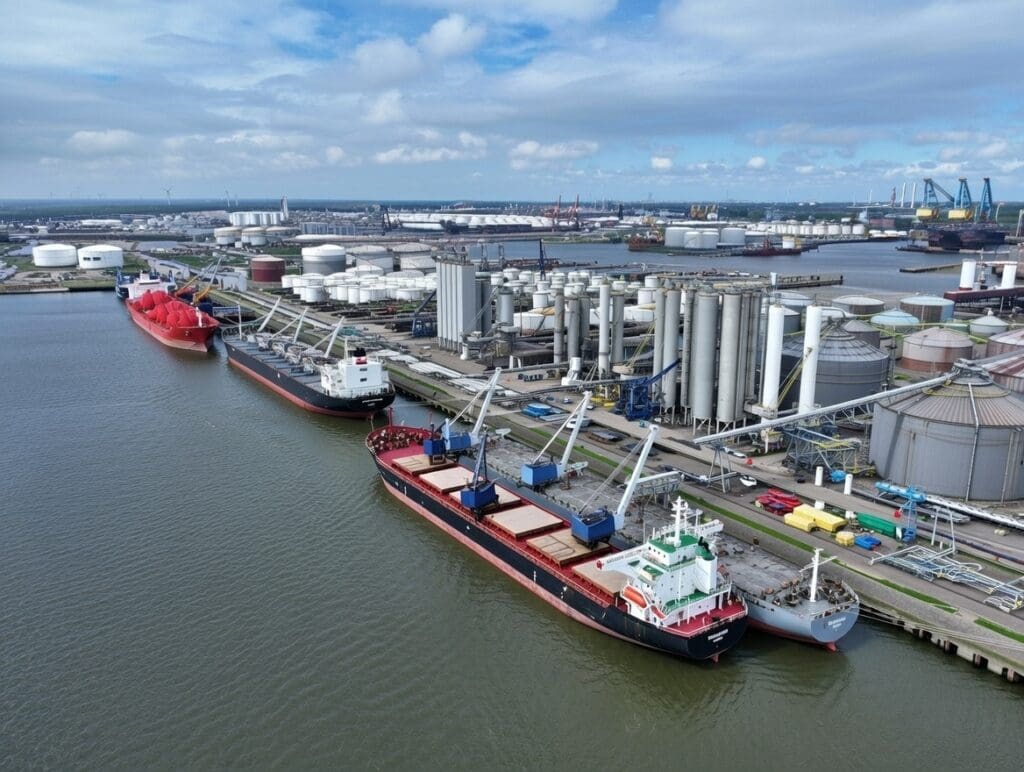
Bulk is growing, but the IT landscape is not keeping up
Bulk operators are growing in volumes, customers, locations and VAS complexity, but often work with an ERP for administration, separate systems for weighing, QA or planning, and Excel as the connecting layer.
The result is less overview, less cohesion, more manual work and limited scalability. A bulk WMS that serves as a foundation prevents bulk processes from being fragmented across systems.
Adaption’s solution for control over bulk processes
Adaption is the digital foundation for scalable bulk logistics
Adaption brings bulk storage, quality assurance and Value Added Services together in one bulk WMS, so operations, quality and finance use the same truth. What Adaption is not: not a pallet WMS as a starting point, not a separate VAS register alongside your operation, and not an ERP replacement, but an integrable foundation.
The 5 benefits of a bulk WMS that works as a foundation
1. Scalable bulk management
Add new VAS without Excel, new customers without extra registrations, new locations without system fragmentation.
2. One platform for the entire bulk operation
Storage and handling, quality status and sampling, VAS, lot and batch history, everything in one environment.
3. Reliable data and traceability
Real-time insight into inventory, status and activities, better reporting for customers, audits and internal management.
4. VAS as a revenue model
Every VAS activity recorded at the moment of execution, directly linkable to invoicing, no revenue leakage.
5. Open, integrable and future-proof
Open APIs, integrations with ERP, weighbridges, meters and lab systems, start modularly and expand when needed.
How does Adaption’s WMS work?
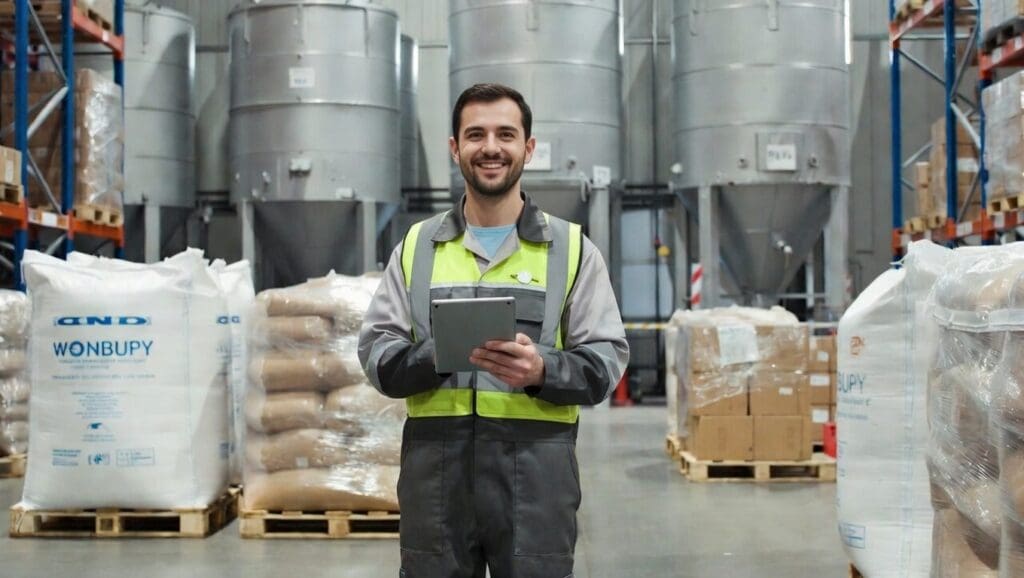
Adaption WMS records every step within bulk logistics: receipt, quality control, measurements (volume/weight), location management, internal movements and dispatch. All changes are automatically logged, ensuring correct inventory and full traceability.

Support for receipt, storage and dispatch of bulk goods
Bulk processes are fully supported within Adaption WMS. Upon receipt, the system processes all relevant data, including weighing data, volume changes and batch or lot information.
During the storage phase, the WMS continuously tracks location data, silo or tank levels and quality parameters. At dispatch, the system automatically generates loading orders, links with transport planning and creates the required documents.
Additional functionalities for receipt, storage and dispatch
Effective bulk management requires that all incoming and outgoing goods are accurately registered and controlled. Adaption WMS supports this process with the following functions:
- Specific loading and unloading lists:
The WMS generates structured loading and unloading lists so employees can see exactly which bulk goods must be unloaded, stored or loaded. The lists include batch information, location codes, loading volumes and safety or quality parameters.
- Full registration of receipt and storage:
During receipt, bulk goods are automatically weighed or volumetrically measured. The system immediately records inventory, links it to the correct location or silo, and monitors levels or mass balances. This prevents under- or over-bookings and increases the accuracy of inventory management.
- Repacking and processing of bulk goods:
When bulk goods need to be repacked, for example from silo to big bag, or from tank to smaller IBCs, the WMS records all volume changes and batch relationships. This keeps inventory and quality data fully traceable, even when goods are split or combined.
Prefer to get acquainted first or receive more information before booking a free discovery call?
We are happy to help, feel free to contact us.
Different types of bulk goods
Which bulk goods is Adaption bulk WMS suitable for?
Within bulk logistics, different categories of bulk goods are processed. Dry bulk, such as granulate, sand, pellets and powders, is often stored in silos, bunkers or big bags and requires accurate volume measurement and batch registration. Wet bulk, such as liquids, requires level monitoring and registration of temperature or density. Gases or semi-bulk flows can also be processed within the WMS. Adaption supports full registration of receipt, storage and dispatch for all types of bulk goods within one integrated environment.

Construction raw materials
Materials such as sand, gravel, cement and granulate are stored and processed in large quantities. These goods are typically weighed and managed in kilograms or tons. Adaption WMS records all receipt and storage activities, including weighing data, location management and any volume changes.

Powders
Examples include flour, sugar, starch and various chemical powders. These substances are usually stored in silos or bulk compartments and measured in kilograms or tonnage. The WMS supports volume measurement, batch and lot registration, and traceability during storage, processing and dispatch.
Liquids
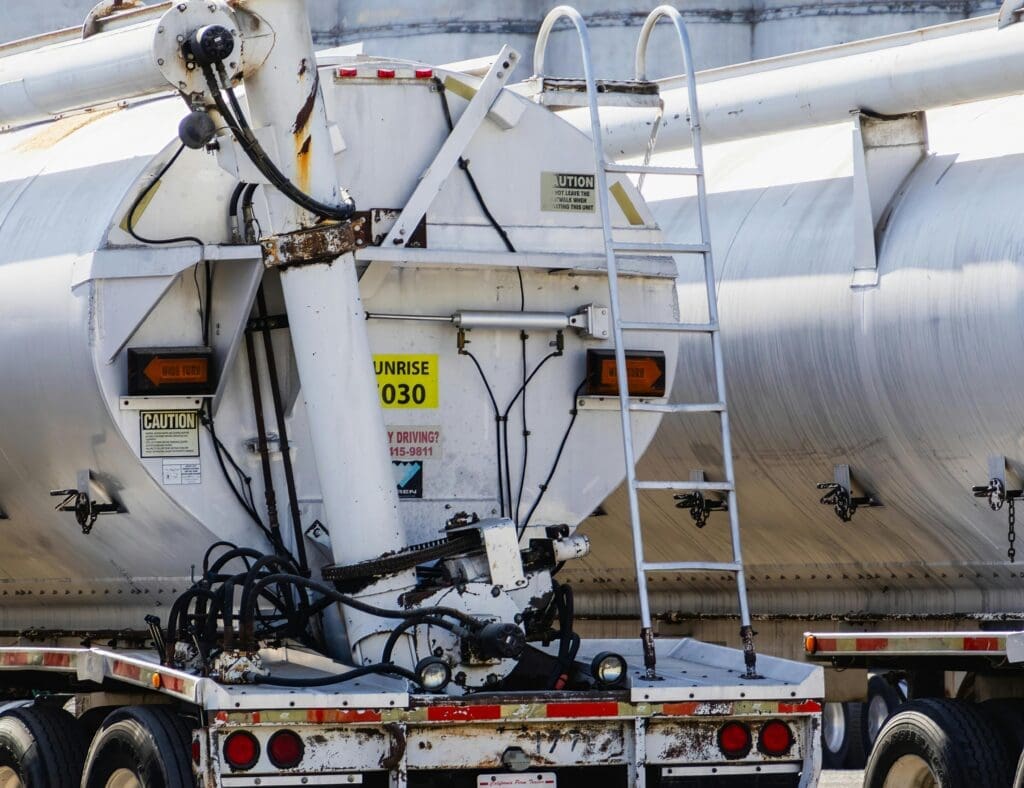
Liquids such as oil, milk, chemicals or other wet bulk flows are stored in tanks, IBCs or special containers. The quantity is recorded in liters or cubic meters. Adaption WMS processes level measurements, quality parameters (such as temperature or density) and directly links inventory levels to transport and loading processes.
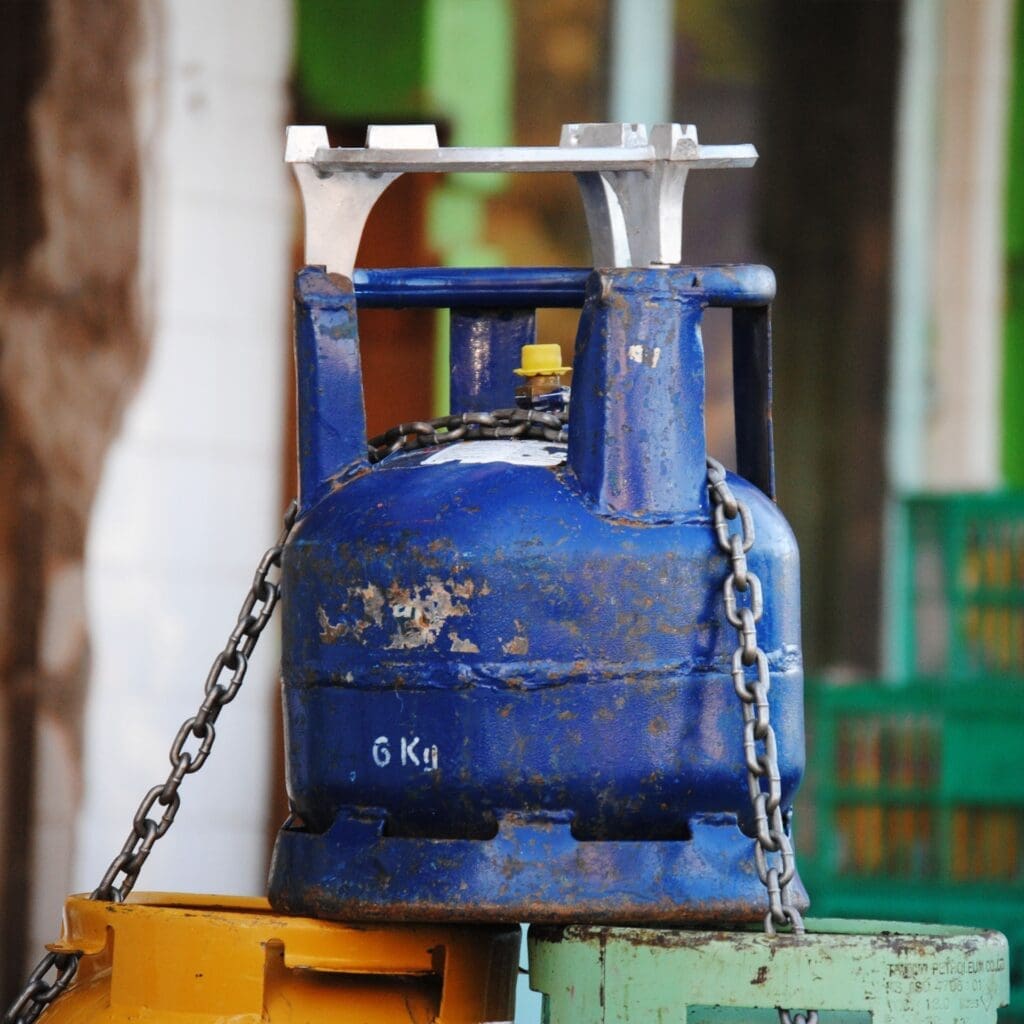
Gases
Industrial gases such as propane, nitrogen or oxygen require specialized storage and safety procedures. They are often measured in liters or cubic meters based on pressure and volume measurements. The WMS supports registration of inventory changes, safety parameters and location management within gas storage installations.

Other bulk types
In addition, there are bulk goods such as granulates, pellets and blended products that require specific storage or processing methods. Adaption WMS records all relevant parameters from receipt to processing and dispatch, ensuring accurate inventory management and traceability for a wide range of bulk types.
Bulk storage options
Which bulk storage options does Adaption’s bulk WMS system register?
Bulk goods require specific storage methods to ensure quality, safety and accurate inventory registration. Adaption WMS supports different storage forms and records all relevant parameters, such as volume, weight, batch information and level measurements.
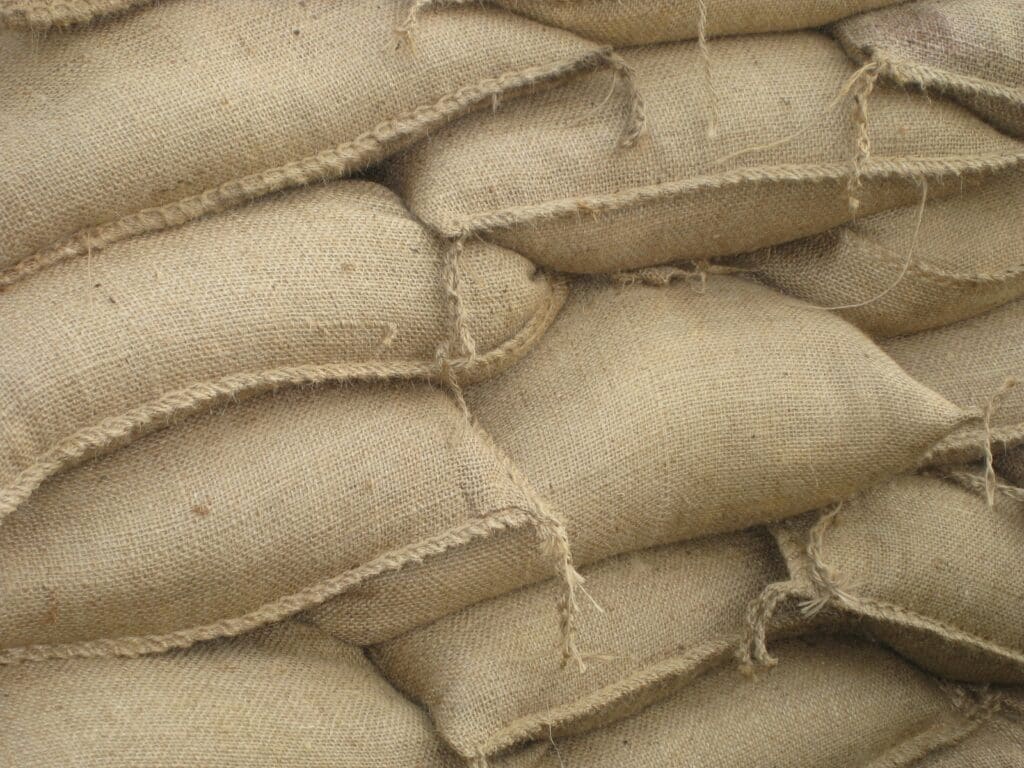
Big Bags
Bulk goods such as powders, pellets and granulates are often stored in big bags or sacks. This enables flexible handling and accurate location layout within the warehouse.
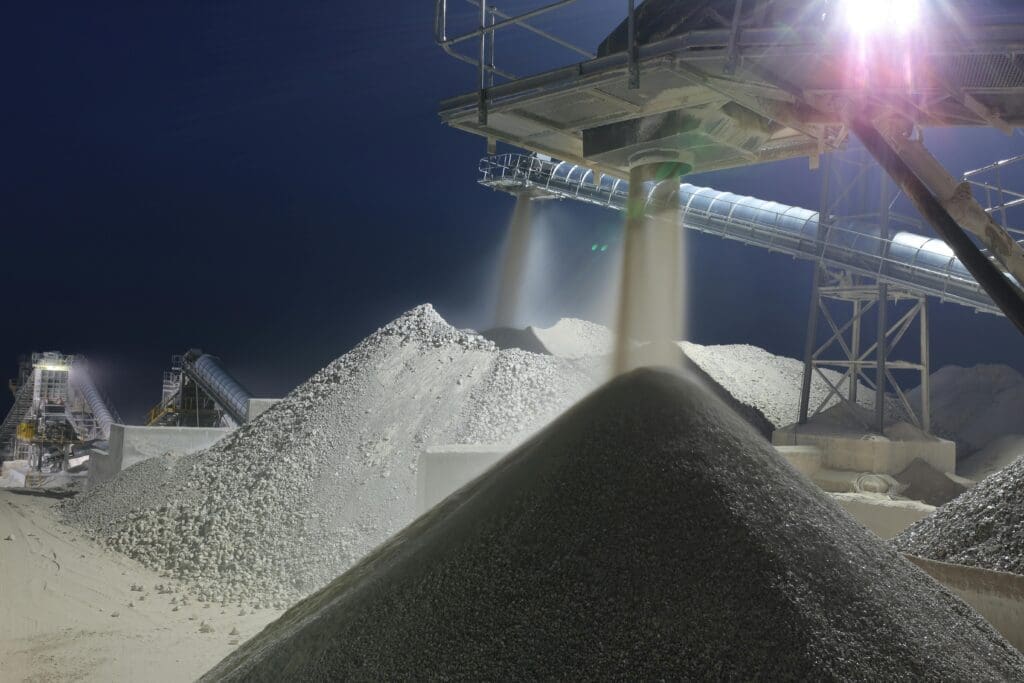
Loose bulk
Loose bulk goods such as sand, gravel, crushed stone or minerals are stored directly on the ground, in bunkers or in dedicated storage areas.

Silo storage
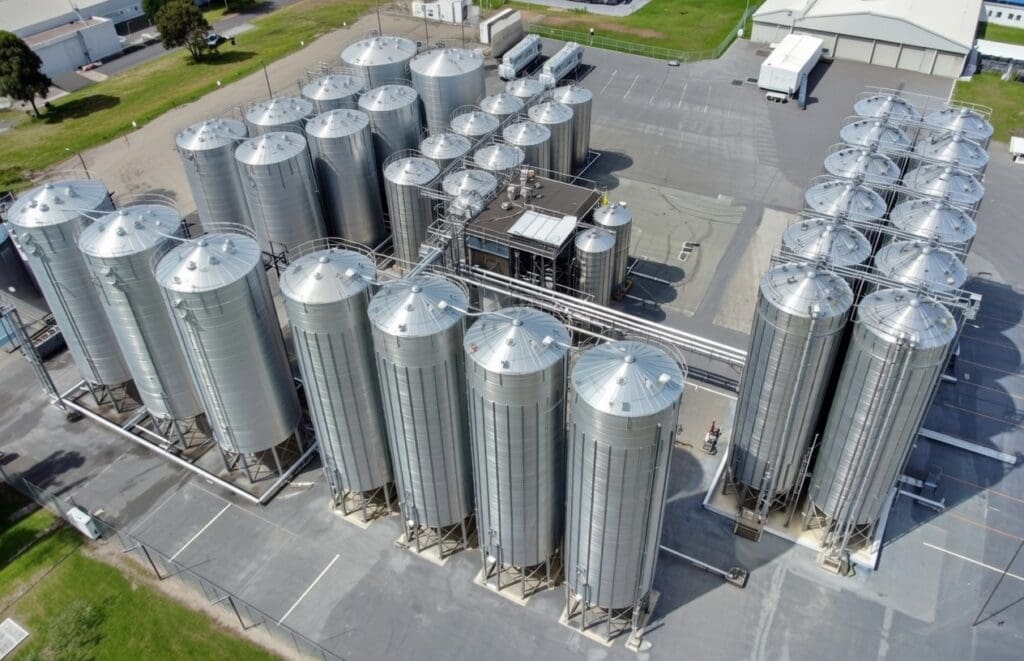
Silos are widely used for dry bulk products such as grain, flour, granulate, powders and cement. They provide a controlled storage environment and enable vertical storage with optimal use of space.

Tank storage
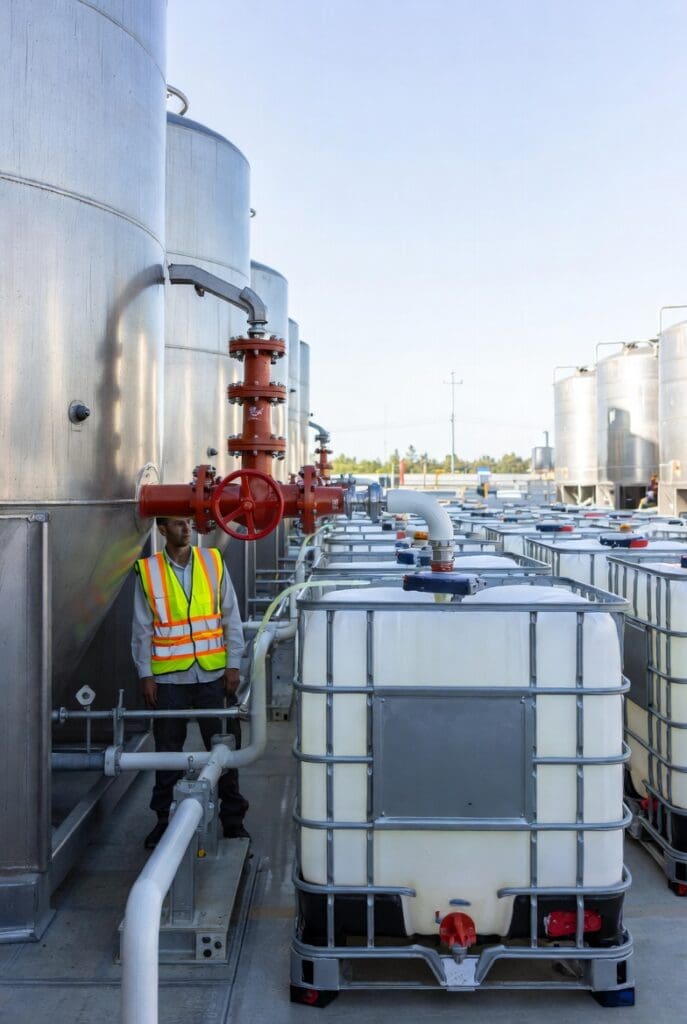
Tank storage is suitable for liquids and chemical products that require temperature or pressure monitoring. Tanks are monitored for levels, density and quality.
Seamlessly integrates with your current IT landscape
Adaption integrates seamlessly with your existing IT landscape and connects with the systems you already use. From ERP systems and webshops to carriers and accounting packages, all data flows come together in one logical whole. Thanks to open APIs, virtually any integration is possible. If your system is not listed, we will make it fit.





Packaging and transport options for bulk goods
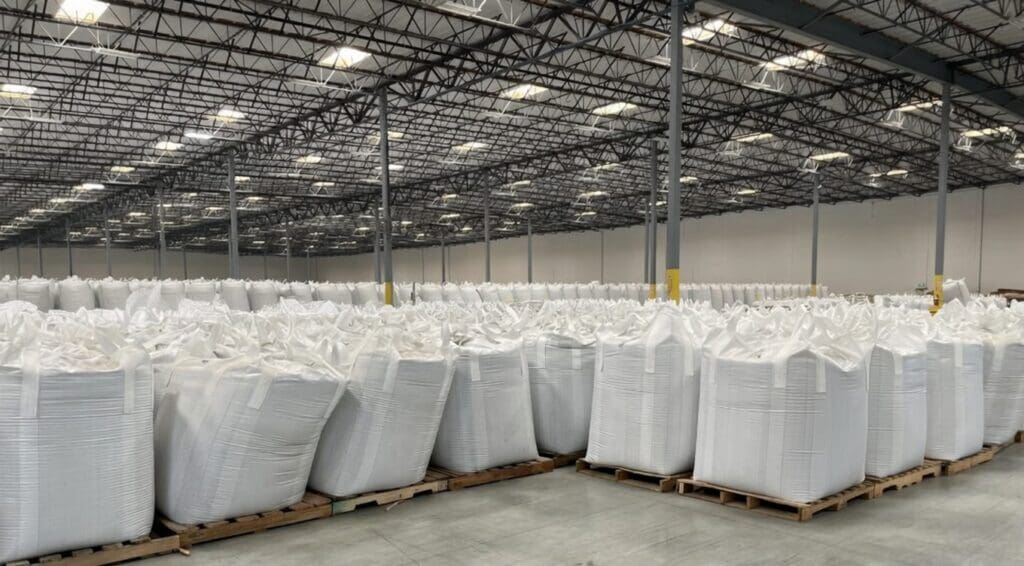
Bulk goods are packaged and transported in different ways, depending on their physical properties, safety requirements and logistics process. Adaption WMS supports all these variants and records the associated actions per goods flow, such as loading, weighing, batch information and transport links.
- Tank trucks and tank containers:
Tank trucks and tank containers are used to transport liquids and industrial gases over short and long distances.
- Intermediate Bulk Containers (IBCs):
IBCs are suitable for liquids, semi-liquid products and fine bulk. They are easy to handle, reusable and fit within pallet locations.
- Drums and barrels:
Drums and barrels are used for chemicals, oils and hazardous substances, where accurate registration is essential. Adaption WMS records:
- Big Bags and sacks:
Big bags and sacks are widely used for powders, pellets and granulates that need to be moved flexibly.
- Pallets:
For smaller bulk packages, semi-finished products or finished bulk products, pallets are used.
Value Added Services (VAS) for bulk goods
In various sectors, bulk goods are not only stored or transported, but also modified or processed before continuing in the supply chain. Adaption WMS supports these Value Added Services (VAS) by fully recording each operation, including batch and lot data, volume changes, quality parameters and follow-on flows. This ensures both traceability and inventory accuracy, even in complex bulk processes.
Blending (mixing bulk materials)
In blending, different bulk products are combined into a new composition. This is crucial in the chemical, agricultural and food sectors. The WMS supports:
- registration of components used
- volume changes after mixing
- batch creation and traceability
- quality registrations and release
Filling & packing (filling and packaging)
With filling and packing, bulk products are filled into drums, barrels, bags, big bags or other packaging. The WMS records:
- filled quantities
- batch and packaging data
- location management of finished product
- consolidation and loading orders for transport
Extracting (separating components)
Extracting is used when one bulk product must be split into multiple components, for example in the chemical or food industry. The WMS records:
- incoming bulk quantity
- outgoing flows per component
- batch and quality data
- mass balance and inventory changes
Melting (melting bulk products)
Some bulk goods are melted to make them easier to process or transport. The WMS records:
- temperature and process parameters
- input and output volumes
- transitions between states of matter
- documentation for processing or transport
Value Added Services as a structural and scalable revenue model
VAS without lost revenue
Because all VAS activities are recorded directly at the moment of execution in the system, a complete and reliable overview of all performed operations is created. This provides demonstrable traceability for customers and auditors, while manual registrations and error-prone administration are greatly reduced.
At the same time, performed activities can be recharged directly and correctly, preventing revenue loss and providing better insight into costs, returns and margins. VAS therefore becomes not a separate after-the-fact action, but a structural, controllable and scalable part of the total bulk operation.
Example of bulk registration in the Logistics Cloud Suite
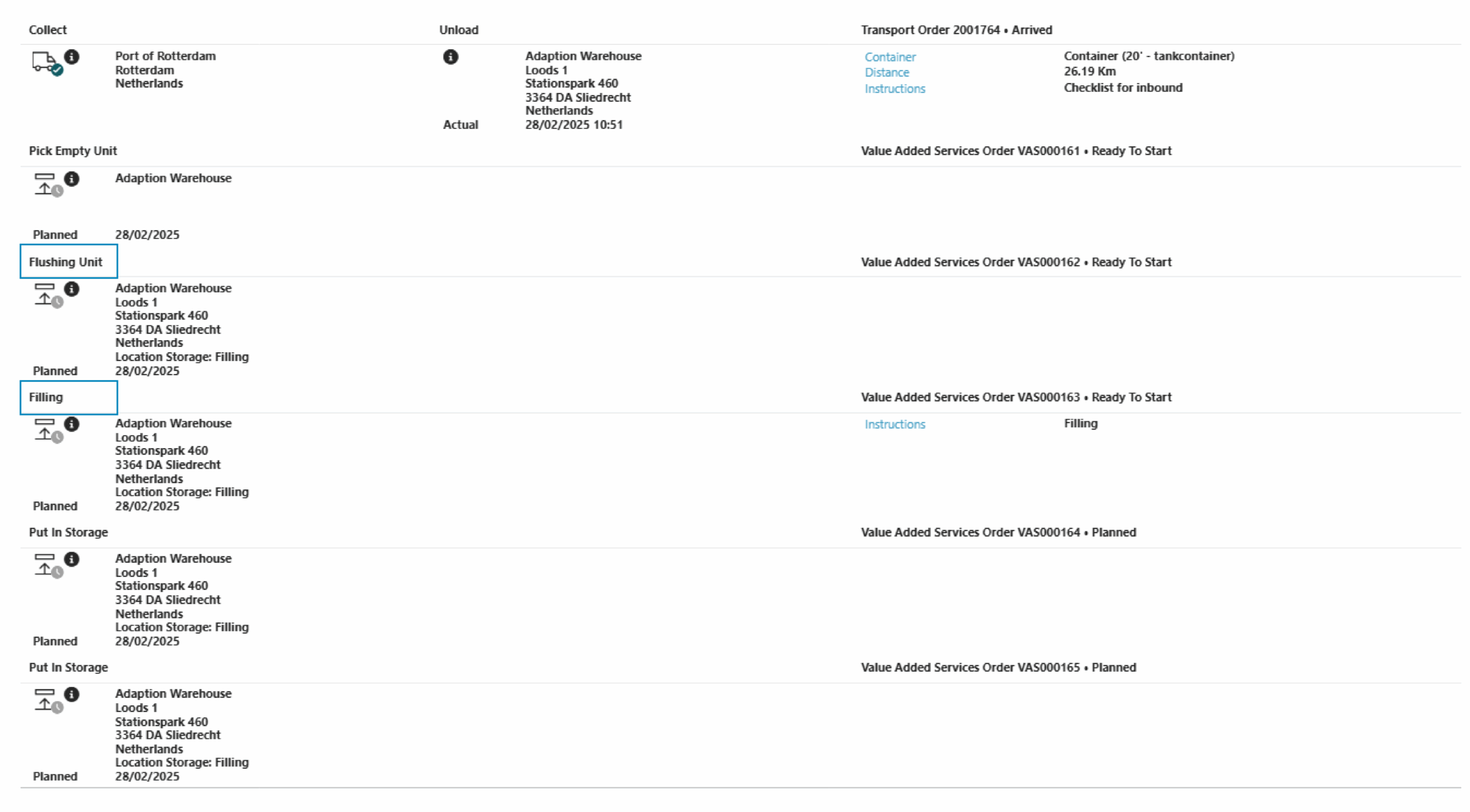
The example below shows how bulk processes and related Value Added Services (VAS) are recorded in Adaption’s Logistics Cloud Suite. The system logs every step of the process, making all inventory changes, quality data and traceable actions fully transparent. Click the arrows to navigate through the process, and click the image to enlarge it.
Step 1: Inbound registration
When receiving bulk goods, volume or weighing data is recorded, together with lot or batch numbers, supplier, product information and any quality parameters. The goods are then assigned to a temporary location or processing unit.
Step 2: Selecting an empty unit
The system automatically identifies available units, silos, tanks, or packaging carriers suitable for the type of bulk product. The operator selects the correct unit, after which it is directly linked to the inbound process.
Step 3.1: Performing VAS activities
In this example, two operations are carried out, the first being:
- Flushing
In this step, the unit is cleaned or cleared of residual material. The WMS records the activity as a process step, including time, operator, and any material disposal, ensuring mass balance and quality registration remain accurate.
Step 3.2: Performing VAS activities
The second operation is:
- Filling
The unit is then filled with the correct product. The system records the exact quantity, batch information, and any relevant quality data. Any volume changes are automatically processed in the inventory.
Step 4: Storage in the warehouse
After processing, the unit is stored in a silo, tank location, bulk position, or pallet location. The WMS records:
- the assigned location
- inventory level within the unit
- process history
- subsequent logistics steps (e.g., loading order)
Step 5: Traceable process overview
All steps from inbound to storage and VAS are displayed in a process log. This ensures the entire chain remains traceable and that processes comply with quality, audit, and compliance requirements within bulk logistics.

What is bulk storage within a WMS?
Bulk storage concerns the storage and processing of goods that are stored in large volumes or without individual packaging, such as powders, granulate, liquids, gases or big bags.
Adaption’s WMS records all actions: receipt with weighing or volume measurement, storage in silos or bulk locations, batch and lot administration, internal movements and final dispatch to transport equipment. The system provides real-time inventory levels and full traceability, and links directly with transport and invoicing systems.
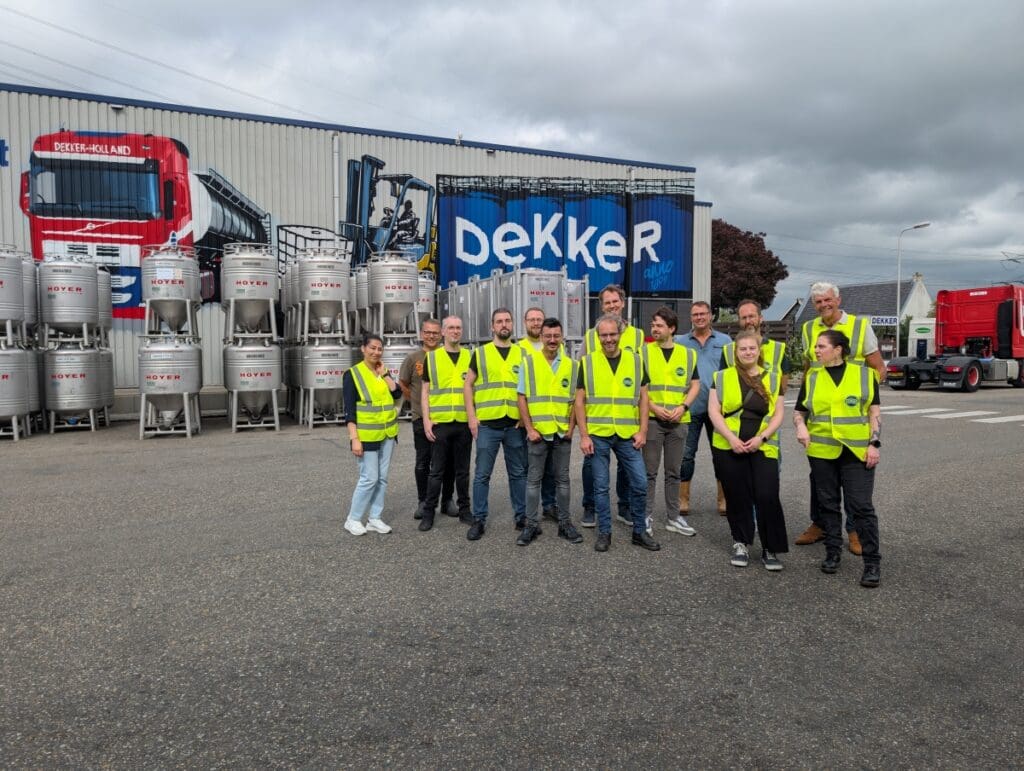
Case example: Dekker Tank Storage
Dekker Tank Storage digitizes tank storage and bulk processes with Adaption WMS
Dekker Tank Storage works with complex bulk processes, where control over status, quality and documentation is essential. During the company visit, we saw live how processes such as storage of liquid cocoa, scanning of goods and automatically generating digital documents work in practice with Adaption WMS.
What Adaption WMS delivers for Dekker Tank Storage
- Full insight and traceability because every step in the process is recorded (such as temperature measurements and goods movements).
- Fewer manual actions and more structure because registration and document flows run digitally and automatically.
- A solid basis for further growth and innovation in bulk storage of liquids.
Want to know more about Dekker Tank Storage and Adaption WMS? Read more about the collaboration here:
Frequently asked questions about WMS for bulk storage
Yes, both weight and volume are recorded during receipt or processing. Conversions are calculated automatically.
Yes, levels are continuously updated via integrations or manual input, including threshold values and alerts.
Yes, it supports all types of bulk goods: granulate, powders, liquids, gases, and mixed bulk flows.
Every transaction (receipt, storage, processing, dispatch) is linked to lot or batch data and stored historically.
Yes, through integration with Adaption TMS, loading orders are automatically generated and forwarded.
By registering receipt, storage, quality, and VAS within one process and using integrations for ERP and transport, your bulk administration remains a single whole, even with additional customers, locations, and processes.
Discover how Adaption makes your bulk logistics scalable
Schedule a free discovery call with Toon via the form next to this text. In a short introduction, we discuss your warehouse processes and show how Adaption WMS can support them.
During the discovery call, you gain insight into:
How the bulk WMS works in practice
Support for your logistics bulk processes
Integration and expansion possibilities
Or contact us via:
Schedule a free Discovery Call with Toon Schilder
Discover in 15 to 30 minutes how Adaption’s Warehouse Management System supports your bulk processes, from inbound to outbound, including VAS activities.
"*" indicates required fields