

Looking back on three days at ICT&Logistiek 2026: new developments and insights
The great thing about a trade show like ICT&Logistiek is that you meet all kinds of people who work in logistics in their own way. Sometimes you immediately recognise situations from other companies. Other times you hear how someone tackles a familiar problem in a completely different way.
From 3 to 5 November, my colleagues and I were at ICT&Logistiek 2026 at Jaarbeurs Utrecht. It was three days full of conversations with new contacts and familiar faces from the logistics sector.
Over those three days I had many different conversations, ranging from the challenges in bulk logistics to the possibilities of AI and the day-to-day reality of transport companies. Everyone had their own experiences and questions. In this blog, I look back on three topics that stayed with me after the show.
ICT&Logistiek 2026
Quick navigation:

Co-founder and director of Adaption, expert in logistics software and process digitalisation
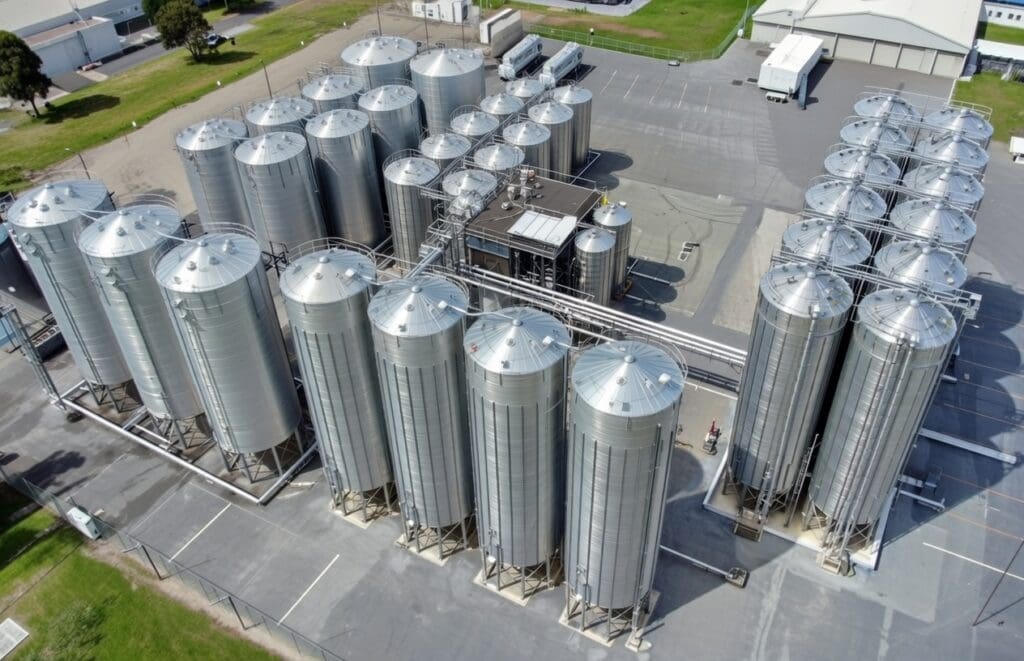
Bulk logistics remains a discipline of its own
In bulk logistics, factors such as weight, batch registration and stock discrepancies play a major role. What strikes me is how much companies differ, even when at first glance they do similar work. One company stores dry bulk goods, while another handles liquids or blends products. The way goods are received and dispatched also varies.
Those differences make for interesting conversations, especially when someone explains how their company deals with deviations. Examples include a truck whose measured weight differs from the consignment note, or a silo that still contains product from a previous batch.
Value Added Logistics also came up, covering activities such as blending, filling and repacking. With work like this, the administration needs to keep track of what actually happens to the product. When employees have to consult several Excel files or ask colleagues for information, there is an opportunity to improve registration.
AI is on the logistics sector’s mind
Another topic we discussed a lot during the show was artificial intelligence, which also received plenty of attention in the show’s programme. I notice that conversations about AI are becoming increasingly practical. Companies want to know which tasks they can simplify with it and how much time that actually saves.
One example is processing incoming orders. At many logistics companies, orders still arrive as PDFs or by email, and the data then has to be entered into a system. AI can help extract that information from documents, after which an employee checks the data.
What I find interesting is how differently companies view this. Some organisations are already working on applications, while others are still exploring where AI could be useful in their processes.
I’m particularly curious to see how these developments will translate into day-to-day work in the coming years. As the possibilities grow, employees’ tasks change too. Checking data, for example, takes on a bigger role once data entry is automated.
Transport planning remains a daily puzzle
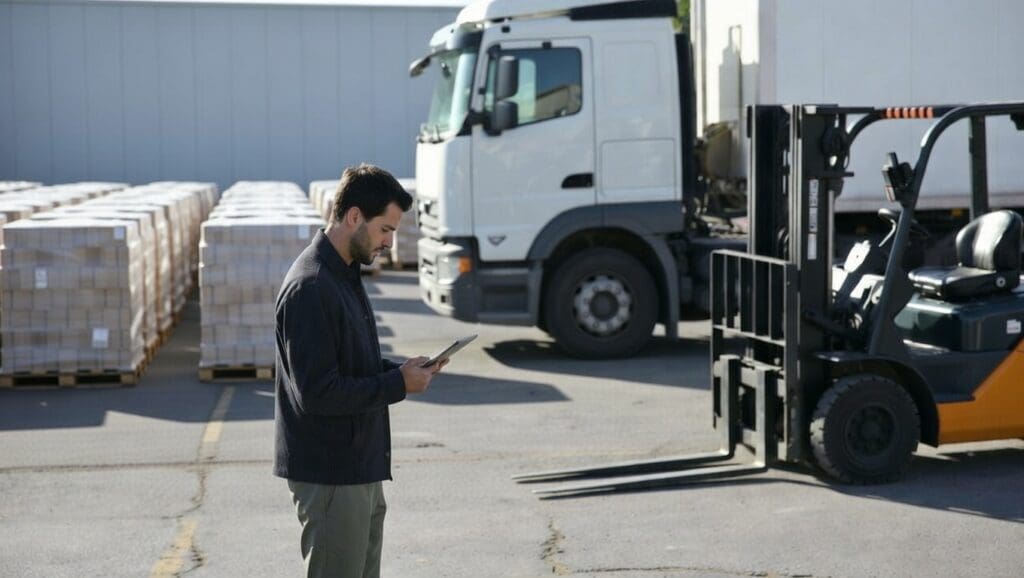
Transport planning was another recurring topic, and I understand why. A plan can be right at the start of the day and need adjusting an hour later. A customer changes a loading time, a driver is delayed, or an order comes in later than expected. For planners, these are familiar situations.
What I find interesting is how companies deal with this. Some planners work with fixed routes and recurring orders. Other companies have to handle a large number of changes throughout the day, which calls for a different way of planning.
Information also plays a part. A planner needs to know when a truck is available, which orders have priority and where there is room to make adjustments.
That’s why conversations about planning quickly turn to collaboration between departments. What happens, for example, when a warehouse is running late with loading? And how quickly does the transport planner find out? It’s exactly these everyday situations that I enjoy discussing with people from the sector.
Looking back on three great days at the show
After three days at the show, I look back with a good feeling. We met many new people and caught up with existing contacts. It was nice to catch up outside our usual meetings for a change.
On Thursday, we wrapped up the show as a team with a dinner in Utrecht. It was a great moment to reflect on the conversations and experiences of the past few days.
Above all, I’m taking the real-world stories home with me. In the coming period, we’ll continue the conversation with various contacts about the topics that came up at the show.
Thank you to everyone who visited our stand. I really enjoyed the conversations and the interest you showed.
We’ll be back next year. See you then!