

Inland shipping
Inland shipping and capacity pressure in 2026: what does this mean for shippers on the Rhine corridor?
The Rhine corridor is a fixed link in the supply chain for many shippers. Bulk goods, containers, chemical products, construction materials and industrial raw materials are transported by inland shipping every day. The advantages are clear: large volumes, relatively low costs per tonne and lower CO2 emissions than many forms of road transport.
In 2026, however, inland shipping is becoming less predictable. Low water levels, growing demand for transport by water and changing goods flows are putting pressure on available capacity. For shippers, this does not mean that inland shipping is becoming less relevant. It does mean that planning, contract agreements and inventory strategy need to be structured more sharply.
What does inland shipping capacity mean in 2026?
Inland shipping capacity is not only about the number of available vessels. For shippers, effective capacity is especially important: how much cargo can actually be transported within the desired planning? That effective capacity is determined by several factors:
- water levels on critical sections of the Rhine;
- load factor per vessel;
- availability of the right vessel type;
- terminal capacity and waiting times;
- fixed contract capacity or spot market capacity;
- flexibility in loading times, unloading locations and modalities.
A vessel may therefore be available, but due to low water levels it may be able to carry fewer tonnes. For a shipper, this feels like a loss of capacity, even if the fleet remains the same on paper.
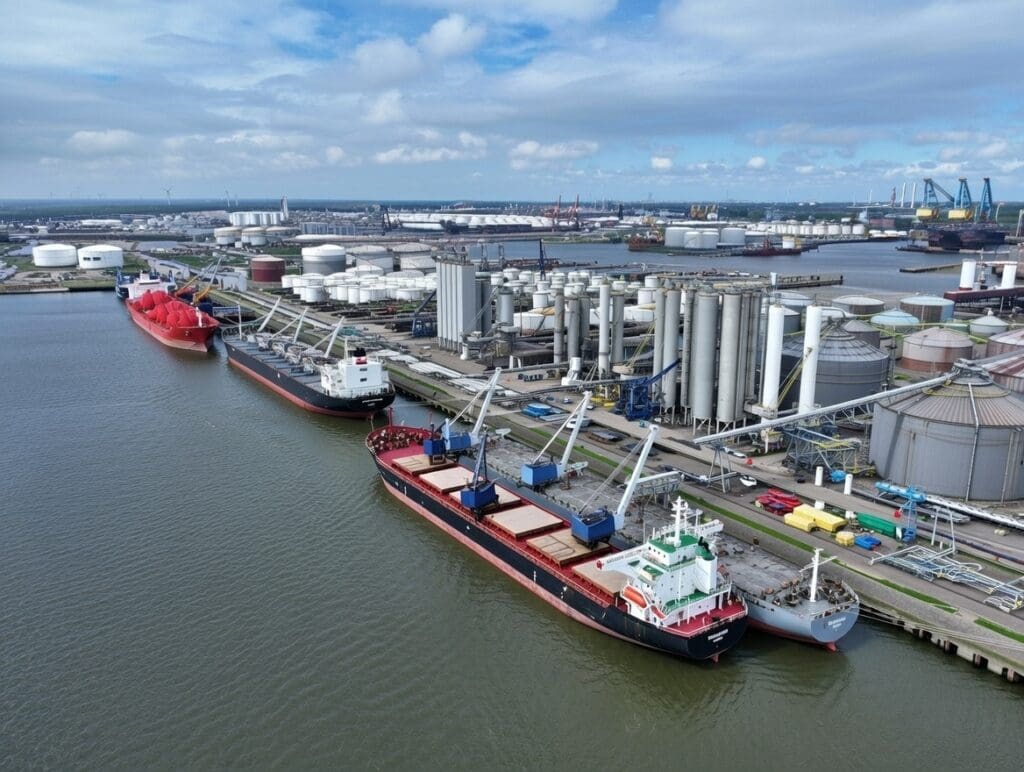

Why is the Rhine corridor under pressure?
Capacity pressure in inland shipping on the Rhine corridor is caused by a combination of factors. It is precisely this accumulation that makes planning more difficult.
Low water levels limit loading capacity
Low water levels have a direct impact on the loading capacity of inland vessels. With less navigable depth, vessels cannot be loaded as deeply. As a result, the number of tonnes per trip decreases.
For bulk shippers, this is immediately noticeable. A planned volume of dry or liquid bulk then has to be divided across more trips. This leads to more coordination, higher costs per tonne and greater dependence on available vessel space.
Container flows can also be affected. Containers may be loaded later, spread across multiple sailings or temporarily transported via another modality. The impact is not only in sailing time, but also in terminal planning, demurrage, detention and customer agreements.
More demand due to modal shift
More and more companies are looking at shifting from road to water. This is driven by congestion, cost developments, sustainability targets and pressure to reduce emissions in logistics chains. Zero-emission policies in cities also make it more attractive to limit road transport to pre-carriage and onward transport where this is practically possible.
This modal shift makes sense, but it increases demand for inland shipping capacity. Especially on busy corridors towards Germany and the European hinterland, additional volume can lead to more pressure on sailings, terminals and available tonnage.
Changing goods flows due to nearshoring
Nearshoring means that companies organize production and supply closer to the sales market. This can make supply chains more robust, but it also changes transport patterns. Volumes sometimes become more regional, more frequent or less predictable.
For Rhine transport, this means that existing agreements on volumes, frequencies and inventory locations need to be reassessed. What was previously a stable flow can change into a chain with more peaks and shorter response times.
What does this mean for shippers?
For shippers, the most important change is not that inland shipping becomes unsuitable. The change lies in predictability. Inland shipping remains strong for large, plannable volumes, but it requires more control.
More uncertainty in arrival times and loading
When capacity is under pressure, arrival times become less firm. Sailing schedules may shift, cargoes may be split and vessels may carry less volume than planned. For manufacturing companies, this can directly affect production runs, inventory levels and delivery agreements.
Supply chain planning must work with ranges
A planning based on one fixed lead time is vulnerable. Shippers are well advised to work with scenarios. Consider normal water levels, limited loading capacity, prolonged low water, terminal delays or a shortage of specific vessel types. For each scenario, it should be clear what happens to volumes, inventories, alternative routes and customer communication.

Multimodal flexibility becomes more important
Companies that depend entirely on one modality have little room to maneuver. Inland shipping often remains the base modality for large volumes, but rail and road may be needed as fallback options. Conversely, inland shipping can be a solution when road transport becomes more expensive, scarcer or less accessible. Strong supply chains therefore do not make ad hoc choices every time. They define in advance when volume will be shifted to another modality.
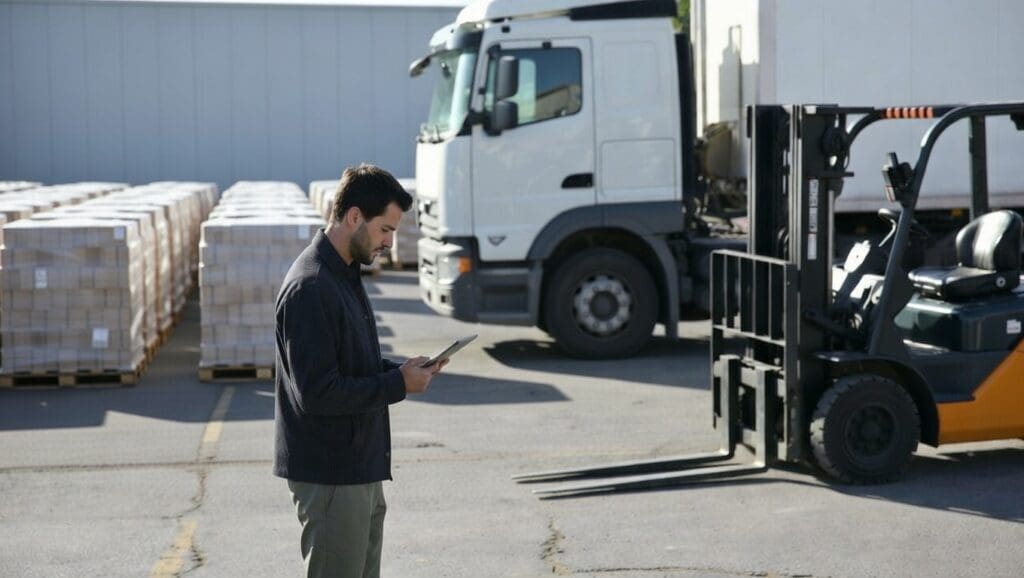
Practical adjustments for shippers
1. Strategic buffer inventories
Buffer inventories are not about placing more stock everywhere. They are about having inventory at the right place in the chain. For critical raw materials, a shipper can work with:
- higher minimum inventories at production locations;
- temporary buffers before risk periods with low water;
- storage agreements at terminals;
- better integration between transport planning and production planning.
This way, inventory is used as risk management, not as an emergency solution.
2. Contracts with clear capacity agreements
In a spacious market, spot capacity can be attractive. When capacity is under pressure, that strategy becomes more vulnerable. Shippers are therefore more often looking at contract forms with agreements on capacity, priority and low-water conditions. Relevant agreements include, for example:
- minimum capacity per week or month;
- loading and unloading windows;
- allocation of low-water surcharges;
- agreements on part shipments;
- alternative loading or unloading locations;
- escalation procedures in the event of disruption.
A good contract does not prevent low water, but it does prevent discussion when quick action is needed.
3. Predefined modal shift triggers
A modal shift works better when the decision rules are clear in advance. For example: at a certain water level, terminal waiting time or delivery deadline, part of the volume is shifted to rail or road. A practical model could be:
- inland shipping for plannable base volumes;
- rail for regular flows with fixed destinations;
- road transport for urgent deliveries, onward transport or customer-critical deliveries;
- additional buffers during longer periods of low water.
This keeps the chain manageable, even when the market is under pressure.
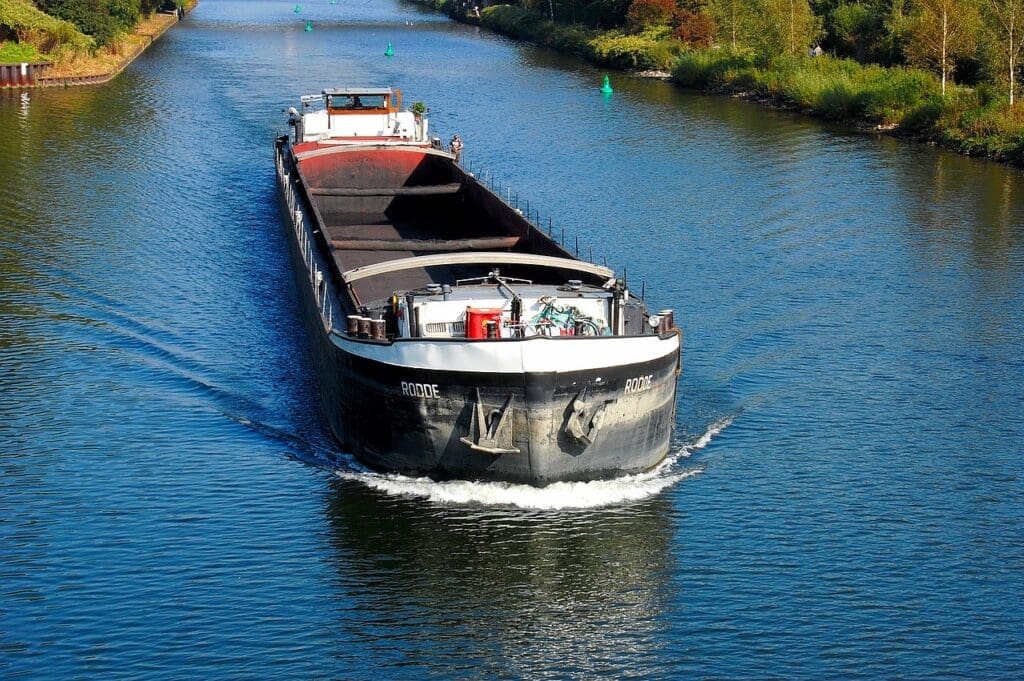
What does this mean for bulk and containers?
Bulk goods are especially sensitive to effective loading capacity. Dry bulk, such as sand, gravel, minerals and agricultural raw materials, often requires large volumes. Liquid bulk, such as chemicals, oils and fuels, also depends on specific vessel types and safety conditions. During low water, this quickly leads to more trips, higher costs per tonne and additional pressure on terminals.
In container transport, the impact is mainly felt in the chain. A delayed container can affect terminal slots, free-time agreements, production planning and customer deliveries. For container shippers, it is therefore important to distinguish between time-critical containers and volumes that have more planning flexibility.
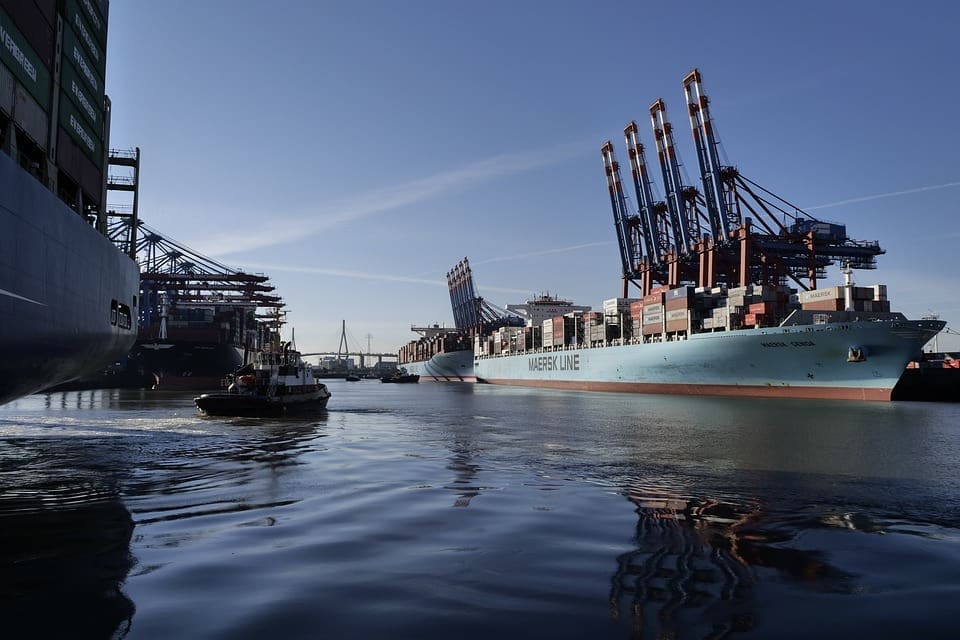
How can shippers plan better on the Rhine corridor?
Shippers that structurally use inland shipping on the Rhine would do well to organize three things.
First, water level information must become part of operational decision-making. Not only the carrier, but also supply chain planning, procurement and production must understand what low water means for loading capacity and lead time.
Second, segmentation is needed. Not every goods flow requires the same level of certainty. Critical materials deserve more planning, fixed capacity and contingency scenarios than less time-sensitive flows.
Third, terminals need to be involved earlier in the planning. Even when vessel space is available, waiting times, limited slots or storage capacity can delay the chain.
Conclusion: inland shipping capacity on the Rhine requires flexible supply chain planning
Inland shipping on the Rhine corridor will remain an important modality for shippers in 2026. However, pressure on capacity makes the chain less straightforward to plan. Low water levels, greater demand for transport by water, terminal congestion and changing goods flows together determine how reliable a planning is.
For supply chain managers and logistics directors, the solution is not to avoid inland shipping. The solution lies in better orchestration: working with scenarios, strategic buffers, clear contract agreements and predefined alternatives.
Inland shipping remains valuable for large volumes, but in 2026 it requires more flexibility and closer coordination between transport planning, inventory management and production planning.
Sources and background
- Schuttevaer, “Low water in inland shipping reduces tanker capacity”, 30 May 2026: Low water in inland shipping reduces tanker capacity
- Schuttevaer, “On the voyage week 24: low water levels create a lot of work, but fewer tonnes”, 10 June 2026: On the voyage week 24: low water levels create a lot of work, but fewer tonnes
- CCR/CCNR, “Market Insight April 2026”: Market Insight April 2026
- CCR/CCNR, press release “The CCNR publishes its Market Insight 2026”: The CCNR publishes its Market Insight 2026
- Rijkswaterstaat, Water Report Rhine, IJssel and Meuse: Water Report Rhine, IJssel and Meuse
- Rijkswaterstaat, Waterinfo: Rijkswaterstaat Waterinfo
- Topsector Logistiek, Modal Shift Programme: Modal Shift Programme
- Modal Shift Programme, “What is Modal Shift”: What is Modal Shift
- Government of the Netherlands, “Municipalities, sector organizations and ministry make agreements on zero-emission zones”, 14 March 2025: Municipalities, sector organizations and ministry make agreements on zero-emission zones
- Port of Rotterdam, “Optimising inland container shipping chain”: Optimising inland container shipping chain