

Customs warehouse
What is a customs warehouse and which permit types exist in the Netherlands?
A customs warehouse is a storage location where non-Union goods can be stored under Customs supervision without immediately paying import duties and other levies. This is particularly relevant for companies that import goods, store them temporarily, resell them or later re-export them outside the European Union.
For logistics managers, customs specialists and compliance officers, a customs warehouse is more than a storage facility. It involves a permit, customs supervision, administrative obligations and regulations.
In this article, you will learn what a customs warehouse is, which permit types exist in the Netherlands, who can apply for a permit and what a digital customs warehouse administration must comply with.
Quick navigation:
- What is a customs warehouse?
- Customs warehouse or regular storage?
- Which types of customs warehouses are there?
- Who can apply for a permit?
- Which goods can be stored in a customs warehouse?
- Which administrative obligations apply?
- Which activities are permitted in a customs warehouse?
- How is the procedure discharged?
- Common misconceptions
- Conclusion
What is a customs warehouse?
A customs warehouse is a storage location approved by Customs for non-Union goods. Non-Union goods are goods that have not yet been released for free circulation in the European Union. As long as goods are under the customs warehouse procedure, import duties and other levies are not yet paid.
That payment only follows when the goods are released for free circulation. If the goods are later re-exported outside the EU, payment of import duties can often be avoided.
A customs warehouse is used, among other things, for:
- storage of imported goods whose final destination has not yet been determined;
- distribution to customers inside and outside the EU;
- temporary storage of goods with high import duties;
- storage of dry or liquid bulk goods;
- international trade flows in which goods are resold before customs clearance;
- goods that are later placed under another customs procedure.
The main advantage is flexibility. You do not have to clear goods through customs immediately when they arrive. This creates more room in inventory management, cash flow and international distribution.
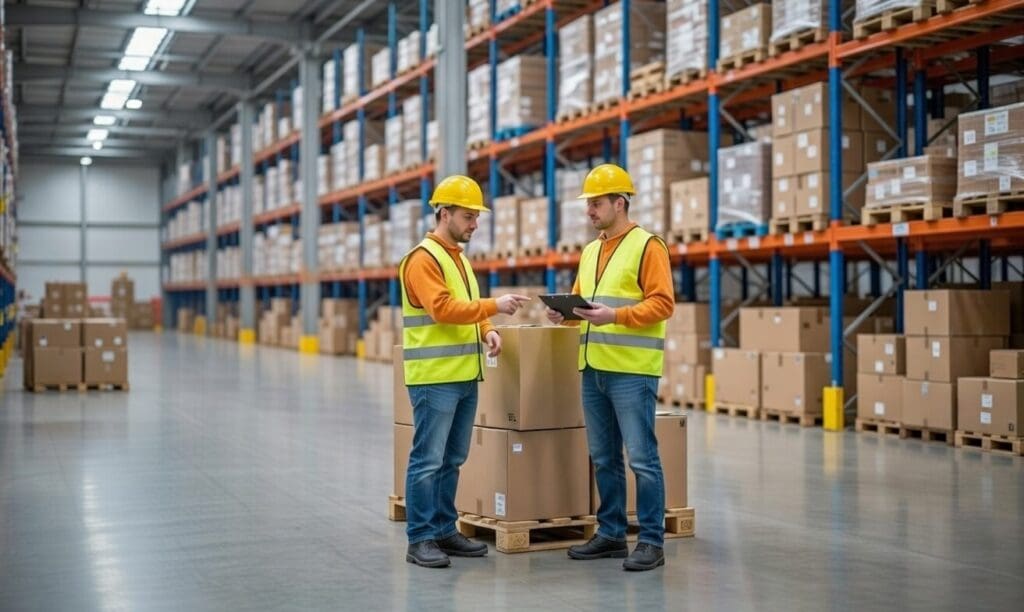
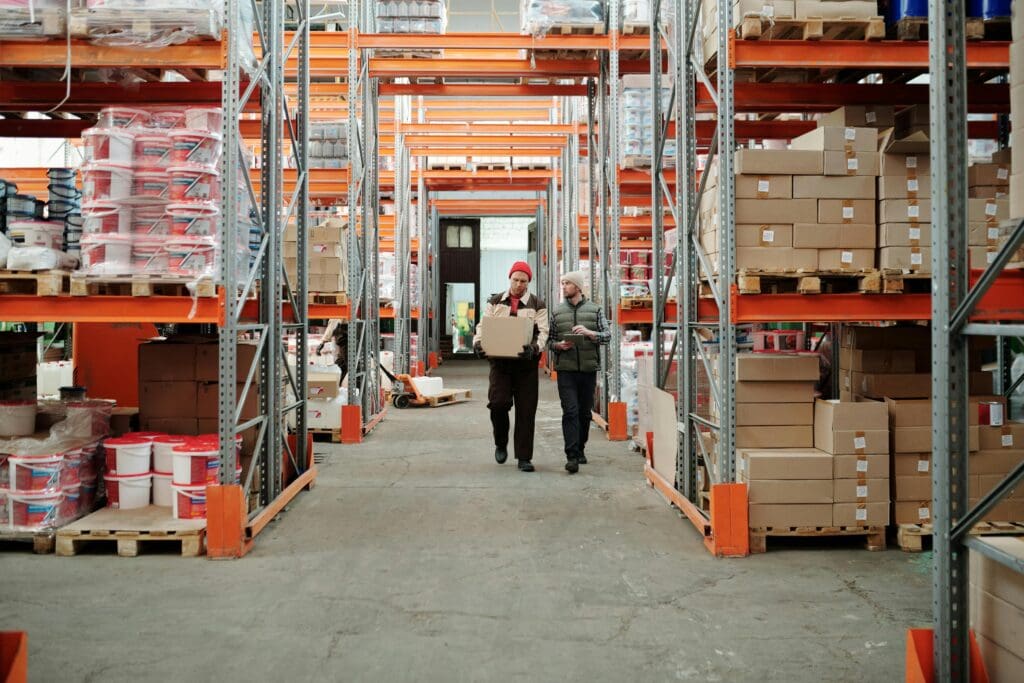
Customs warehouse or regular storage: what is the difference?
The difference between regular storage and a customs warehouse mainly lies in the customs status of the goods.
With regular storage, goods have usually already been released for free circulation. Import duties, VAT on import and any other levies have then been dealt with. The goods may be freely sold and moved within the EU.
In a customs warehouse, goods remain under customs supervision. Customs must be able to verify which goods have entered, where they are located, what status they have, which activities have been carried out on them and when the procedure is discharged.
This is why a customs warehouse requires a complete and accurate administration. Physical inventory, digital registration and customs status must continuously align.
Which types of customs warehouses exist in the Netherlands?
In online information, you may still come across old terms such as types A, B, C, D, E and F. That classification belongs to older customs legislation. Under the current Union Customs Code, a different classification is used.
There are two main types of customs warehouses:
- public customs warehouse;
- private customs warehouse.
A public customs warehouse has three types: type I, type II and type III. A private customs warehouse has no further subdivision.
Important to know: a classification from type I through VII is not a current official classification for customs warehouses in the Netherlands. In the Netherlands, the public customs warehouse type II and the private customs warehouse are especially relevant.

Public customs warehouse
A public customs warehouse is intended for the storage of goods by others. This form is suitable, for example, for storage companies, terminals, logistics service providers and freight forwarders that store goods from multiple customers under customs supervision.
In a public customs warehouse, the permit holder and the holder of the procedure may be different parties. The permit holder manages the storage location. The holder of the procedure is the party that places goods under the customs warehouse procedure, or on whose behalf this is done.
Private customs warehouse
A private customs warehouse is intended for storage by the permit holder itself. The permit holder is also the holder of the procedure. This form is often suitable for importers, manufacturing companies, wholesalers or trading companies that want to store their own goods under customs supervision. Think, for example, of a manufacturing company that imports raw materials but only uses or distributes them later.
In a private customs warehouse, responsibility lies with one party. That party must ensure correct declarations, secure storage, reliable inventory administration, registration of inbound and outbound movements and timely discharge of the procedure.
Who can apply for a customs warehouse permit?
A customs warehouse permit can be applied for by the party that manages the warehouse. This may be, for example, a storage company, freight forwarder, terminal, importer, wholesaler or manufacturing company. The application is made through the EU Trader Portal. Customs assesses whether the organisation has sufficient control over the location, processes, administration and internal controls.
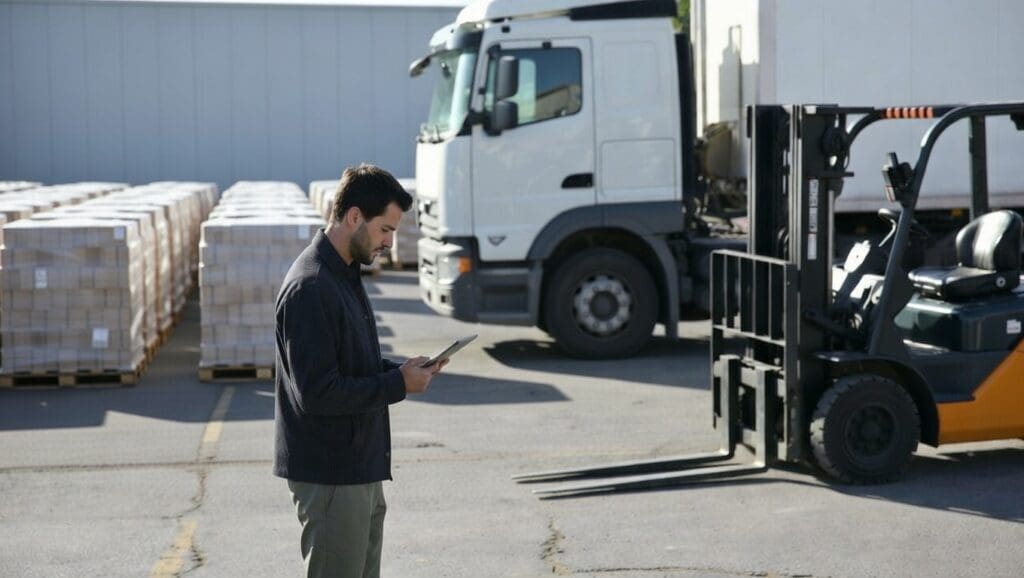
This includes looking at:
- who has access to the goods;
- how goods are physically identified;
- how inventory and customs status are recorded;
- how discrepancies are identified;
- how goods are removed from storage;
- whether the storage location is suitable for customs supervision;
- whether sufficient security is provided.
A customs warehouse permit is therefore not only a legal authorisation. It is also an assessment of process control.
Which goods can be stored in a customs warehouse?
A customs warehouse is primarily intended for non-Union goods. Examples include imported commercial goods, parts, containers, dry bulk, liquid bulk, agricultural raw materials, chemical products or goods for re-export.
Sometimes Union goods may also be stored in the same environment, but the administrative separation must then be clear. Customs must always be able to establish which goods are under customs supervision and which goods are already in free circulation.
For goods with specific storage requirements, such as hazardous substances, perishable products or bulk goods in tanks and silos, additional requirements may apply for location management, safety and registration.
Which administrative obligations apply?
The administration is the basis of every customs warehouse. Without a reliable customs warehouse administration, Customs cannot verify where goods are located, what status they have and whether the procedure is being complied with correctly.
A good customs warehouse administration includes, among other things:
- receipt of goods under the customs warehouse procedure;
- declarations and MRN numbers;
- goods description, quantity, weight and value;
- customs status;
- storage location, such as warehouse location, tank, silo or section;
- customer, owner or holder of the procedure;
- movements and treatments;
- removal from the warehouse;
- placement under a subsequent procedure;
- discrepancies, corrections or missing goods.
For public warehouses, it is especially important that it is clear who the holder of the procedure is. This keeps visible which party is responsible for which customs obligations.
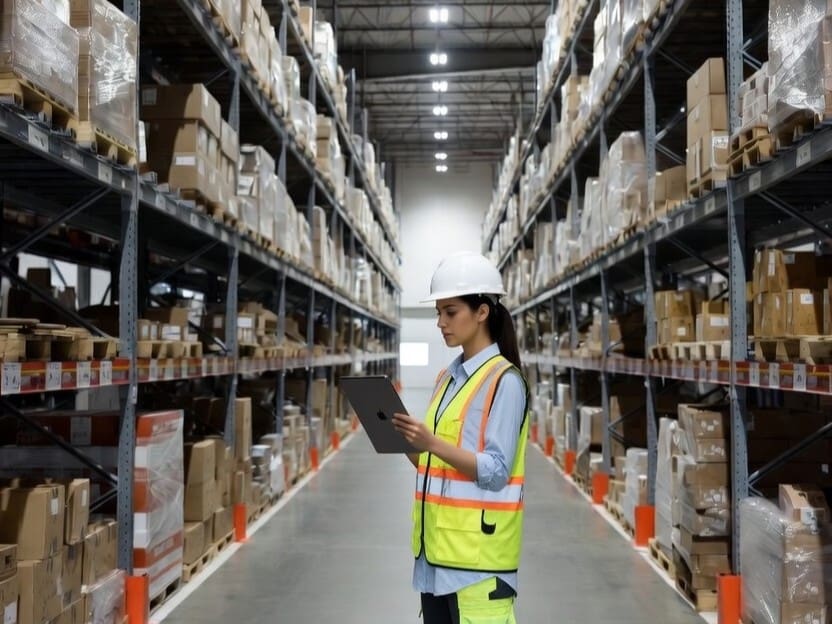
Digital customs warehouse administration: what should you pay attention to?
A digital customs warehouse administration must do more than keep inventory levels up to date. The system must connect physical logistics, customs status and permit conditions. Key points of attention include:

1. Registration by customs status
The system must distinguish between Union goods, non-Union goods and goods under the customs warehouse procedure.
2. Link with declarations and documents
Goods must be traceable to declarations, MRN numbers, transport documents and subsequent procedures.
3. Location management
The administration must show where goods are located. For general cargo, this may be a warehouse location. For bulk goods, it may be a tank, silo or storage section.
4. Audit trail for changes
Every receipt, removal, movement, correction or count must be traceable. Who made the change, when and on what basis?
5. Signalling discrepancies
Inventory differences, missing goods or overages must be visible quickly. This is important for internal control and for possible customs inspections.
Which activities are permitted in a customs warehouse?
Goods in a customs warehouse may not simply be processed as if they were already in free circulation. However, certain usual forms of handling are allowed. Examples include checking, sorting, repacking, labelling or preparing goods for distribution. The nature of the product may not be substantially changed.
If an activity goes beyond usual handling, another customs procedure may be required. For example, inward processing may be needed when goods are processed or become part of a production process.
How is the customs warehouse procedure discharged?
The customs warehouse procedure must ultimately be discharged. This means that it becomes clear what happens to the goods. Goods may, for example:
- be released for free circulation;
- be placed under a subsequent customs procedure;
- be re-exported outside the EU;
- be destroyed;
- be abandoned to the state.
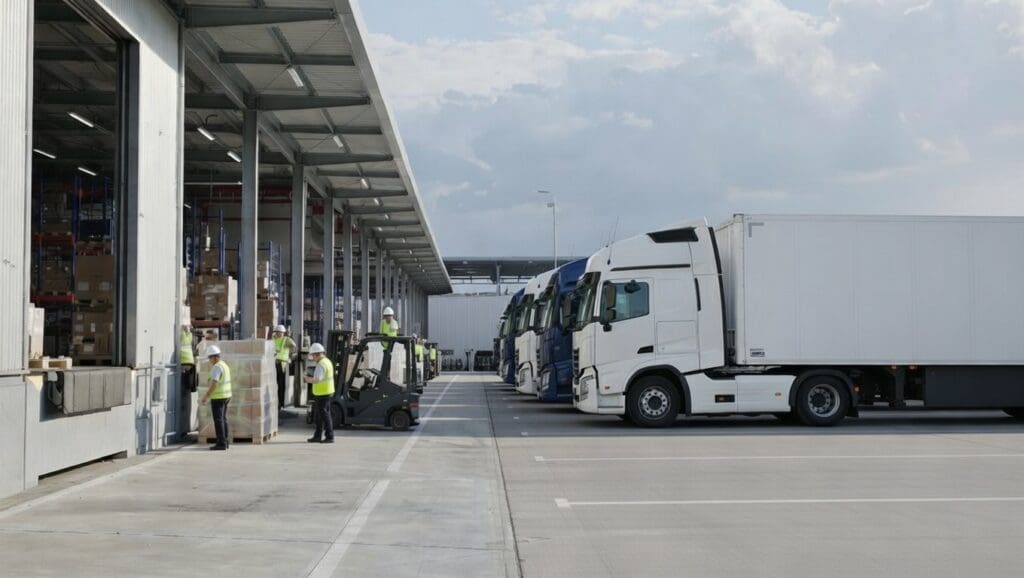
When goods are released for free circulation, a customs debt normally arises. If goods are re-exported outside the EU, the customs warehouse can actually prevent import duties from having to be paid first.
Common misconceptions about customs warehouses
A customs warehouse is sometimes confused with temporary storage. These are not the same procedures. Temporary storage is intended for goods that have been presented to Customs and still need to be assigned a customs destination. A customs warehouse is a special procedure for storage under customs supervision.
It is also often assumed that a regular inventory administration is sufficient. This is usually not the case. A customs warehouse administration must also record customs status, declarations, location details, procedure discharge and audit trail.
Finally, a customs warehouse is not only relevant for freight forwarders. Manufacturing companies, importers, wholesalers and bulk companies can also benefit from it, especially when goods are stored temporarily or later re-exported.
Conclusion: a customs warehouse requires control over permits, inventory and administration
A customs warehouse gives companies flexibility in the import, storage and re-export of non-Union goods. You do not have to pay import duties and other levies immediately as long as goods remain under customs supervision. This is especially valuable for international distribution, bulk storage and goods flows whose final destination has not yet been determined.
At the same time, a customs warehouse requires strict process control. The permit, storage location, inventory administration and digital registration must be in order. Customs must always be able to see which goods are under supervision, where they are located, what status they have and how the procedure is discharged.
For logistics managers, customs specialists and compliance officers, the core therefore lies not only in the permit application. The real foundation is a reliable customs warehouse administration that connects physical storage, customs status and digital processes.
Sources and background
- Douane Nederland, “Customs warehouse”: Customs warehouse
- Customs Manual, section 15.50.00 “Customs warehouses”: 15.50.00 Customs warehouses
- Customs Manual, “Types of customs warehouses”: 2 Types of customs warehouses
- Customs Manual, “Permit”: 3 Permit
- Customs Manual, “Usual forms of handling”: 4 Usual forms of handling
- Customs Manual, “Discharge of the customs warehouse procedure”: Discharge of the customs warehouse procedure
- Customs Manual, “Storage period”: 11 Storage period
- Douane Nederland, “EU Trader Portal completion instructions, Customs Warehouse Permit (CWP)”: Permits